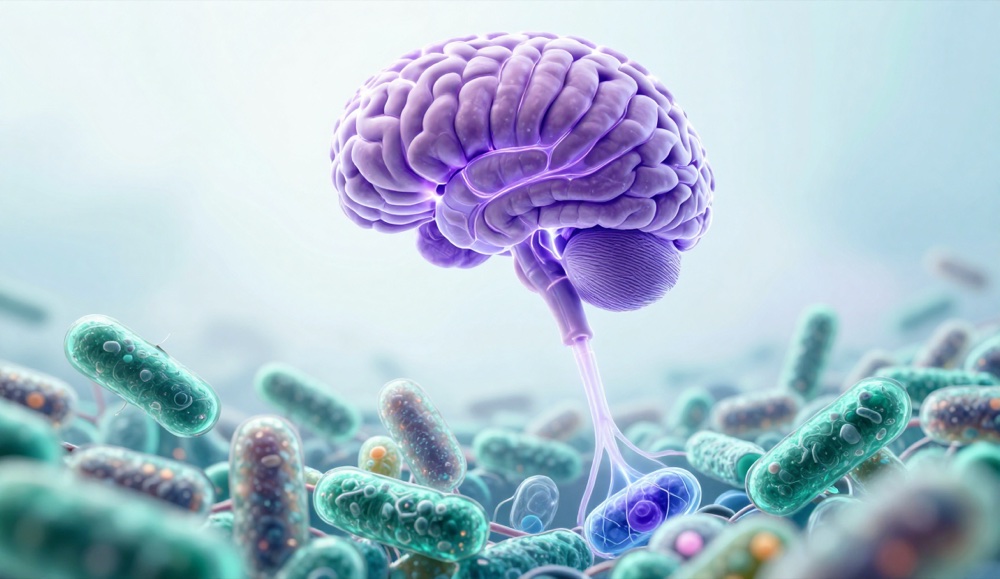
If you want a brain-gut book to go deeper than an article, a handful of well-regarded titles have shaped how the public understands the gut-brain axis. Here is an honest reading list — what each is good for, and where to turn when you want the primary science underneath the storytelling.
Popular science, written by the researchers
- The Mind-Gut Connection — Emeran Mayer, MD. A gastroenterologist and neuroscientist's accessible tour of how the gut and brain talk. A strong first book; pairs well with our mind-gut connection explainer.
- The Psychobiotic Revolution — Scott Anderson, John Cryan & Ted Dinan. Co-authored by two of the scientists who defined psychobiotics — the closest a popular book gets to the primary field.
- Gut — Giulia Enders. A friendly, best-selling introduction to how the digestive system works, including its links to the brain.
- The Good Gut — Justin & Erica Sonnenburg. From the Stanford lab behind the landmark fermented-foods trial — strong on fibre, diversity and diet.
Reading the science critically
Popular books are the on-ramp, not the destination. Much of the strongest gut-brain evidence is from animal studies, and human findings are often early and correlational — a nuance that book-length narratives can smooth over. As you read, keep asking: was this shown in people or mice? Was it a controlled trial? How large? Our library is built around exactly that discipline — every claim tied to a cited study — starting with the gut-brain axis, what the mood trials actually show, and how microbes make neurotransmitters.
From reading to doing
The natural next step after reading about the gut-brain axis is finding out what is happening in your own gut. a whole-genome microbiome test reads your gut, and a personalized formula is built from your own data — turning the ideas in these books into something specific to you. Or start with the 60-second gut-brain quiz.