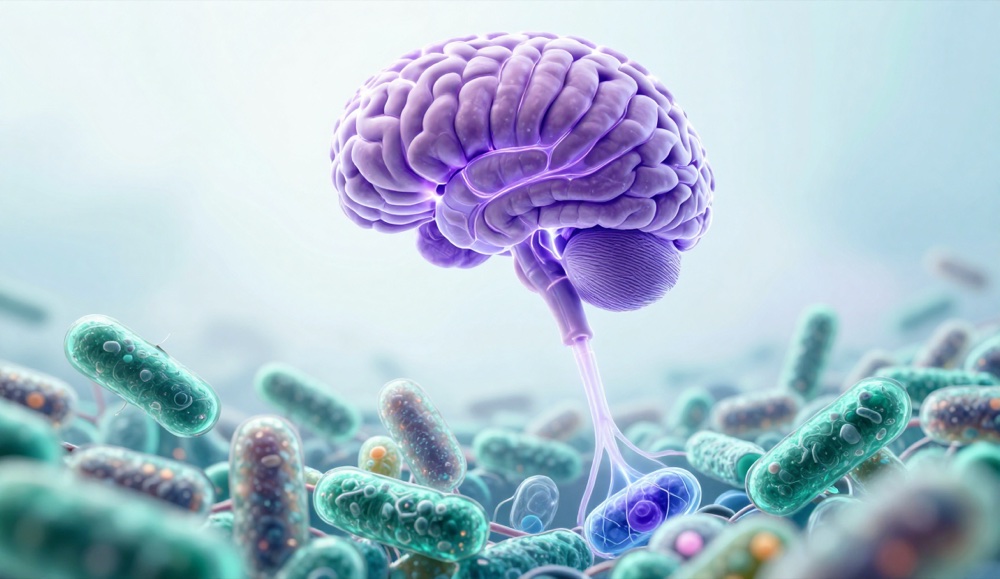
The gut-brain axis is the biological communication network linking the central nervous system with the gut. Crucially, the signalling runs in both directions: the brain shapes gut function, and the gut — including its microbial residents — sends signals back that influence mood, cognition and stress reactivity.
The recognition that gut bacteria are active participants, not passive passengers, is what turned the classic "gut-brain axis" into the microbiota-gut-brain axis. In their influential 2012 review, Cryan and Dinan popularised the idea of "mind-altering microorganisms," synthesising evidence that the gut microbiota helps regulate anxiety, mood, cognition and pain.[1]
Not one wire, but several
The 2019 Physiological Reviews monograph by Cryan and colleagues — a nearly 140-page treatment — mapped the parallel channels through which this communication occurs: the vagus nerve, the immune system, microbial metabolites such as short-chain fatty acids, gut hormones, and the tryptophan/serotonin pathway.[2] No single wire explains the axis; it is better understood as several overlapping routes operating at once, with redundancy and cross-talk between them.
The axis is a genuine physiological system, not a metaphor — yet translating it into reliable human therapies remains a work in progress.
Much of the foundational evidence came from germ-free animals, antibiotic-treated animals, and animals fed probiotic bacteria — each manipulation of the microbiome produced measurable changes in brain chemistry and behaviour. The mechanisms are real and increasingly well-characterised in animals; much of the causal human evidence is still emerging.
Turning this system into something you can act on starts with knowing your own microbiome — clinical microbiome testing and analysis profiles the species and metabolic pathways that drive the axis described here.
Is the gut-brain axis real, and is it bidirectional?
Yes — the gut-brain axis is a genuine, well-documented physiological system, not a wellness metaphor, and it runs in both directions. The brain changes gut motility, secretion and blood flow; the gut and its microbes send signals back up that influence mood, stress reactivity and cognition. Because roughly 80–90% of vagus-nerve fibres carry information from gut to brain, the "bottom-up" traffic actually dominates (Breit et al., 2018, PMID 29593576).
The gut-brain axis, brain-gut axis and microbiota-gut-brain axis — same thing?
Largely, yes. "Gut-brain axis" and "brain-gut axis" are the same bidirectional network named from either end. "Microbiota-gut-brain axis" is the modern, more complete term that adds the gut bacteria as active participants in that network (Cryan et al., 2019, PMID 31460832).
How to support your gut-brain axis
You cannot "fix," "reset" or "repair" an axis the way you would a broken part — it is a living communication system, not a switch. What you can do is support that communication with everyday levers: fermentable fibre and prebiotics that feed butyrate-producing bacteria, fermented foods, specific psychobiotic strains, regular sleep, movement, and stress practices that tone the vagus nerve. GoodOnes lays out those steps and offers a ready-made $49 gut-brain synbiotic to start — how to support your gut-brain axis. These are structure-function wellness steps, not a treatment for any condition.
Once the axis itself makes sense, the useful questions get practical. See how the same wiring shapes everyday experience in the mind-gut connection, why sleep and gut health set each other's rhythm in the gut-sleep connection, and what actually sits behind that fuzzy-headed feeling in brain fog and the gut. When you want the evidence-based levers in one place, read how to support your gut-brain axis, and for one of the mucus-layer species researchers watch most closely, see Akkermansia muciniphila.