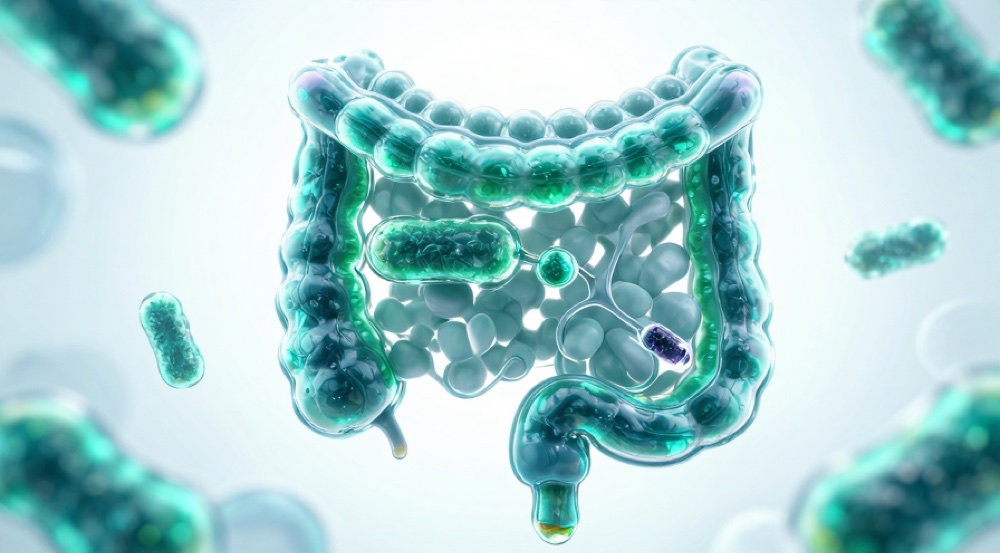
Fermented foods — sauerkraut, kimchi, kefir, live-culture yogurt, miso, tempeh, kombucha — are foods transformed by live microbes. They arrive with bacteria, and with the compounds those bacteria make. That is exactly why they sit at the centre of the gut-brain axis: the microbes and metabolites in fermented foods are the same class of signals your gut already uses to talk to your brain.
Why fermented foods matter for the gut-brain axis
The gut and brain communicate through several parallel channels — the vagus nerve, the immune system, gut hormones, and microbial metabolites such as short-chain fatty acids and precursors to serotonin and GABA.[1] Fermented foods feed into that system in two ways: they deliver live microbes, and they deliver the by-products of fermentation (organic acids, peptides, and in some foods, microbially made GABA). Reviews of the field describe fermented foods as a plausible way to nudge the microbiome and its metabolic output.[2][3]
What the human evidence actually shows
The strongest human trial to date came from Stanford in 2021: over 17 weeks, people who added fermented foods to their diet showed increased gut-microbial diversity and lower markers of inflammation — an effect a high-fibre diet did not reproduce in the same study.[4] A separate controlled study found that a fermented milk product with probiotics measurably changed activity in brain regions that process emotion and sensation.[5] The honest summary: fermented foods can shift the microbiome and immune signalling in people, and there are early, specific signals that this reaches the brain — but "eat sauerkraut to fix anxiety" is not what the science says.
Fermented foods are one of the few dietary levers with direct human microbiome data behind them. That makes them a sensible foundation — not a treatment for any condition.
How to start (without overdoing it)
Choose foods that are actually alive — refrigerated, unpasteurised, "live and active cultures" — since heat and shelf-stable canning kill the microbes. Start with a small daily portion (a forkful of sauerkraut, a few tablespoons of yogurt or kefir) and build up as your gut adjusts, since a sudden jump can cause temporary gas or bloating. Variety matters more than any single food: different ferments carry different microbes.
Fermented foods work at the level of the whole microbiome, not a targeted strain. If you want to know which species and metabolic pathways are actually present in your gut, microbiome testing and analysis maps the gut-brain machinery this article describes, and a personalized formula is built from that data.
Health benefits of fermented vegetables and other fermented foods
Fermented vegetables — sauerkraut, kimchi, and other lacto-fermented plants — pair the fibre of the vegetable with the live microbes and beneficial compounds produced during fermentation. In a randomized human study, a diet high in fermented foods increased gut-microbiome diversity and lowered several markers of inflammation (Wastyk et al., 2021, PMID 34256014). Fermented foods are also, in effect, "foods with probiotics" — a food-first way to introduce live cultures alongside fibre (Marco et al., 2017, PMID 27998788). These are structure-function wellness benefits, not treatments.