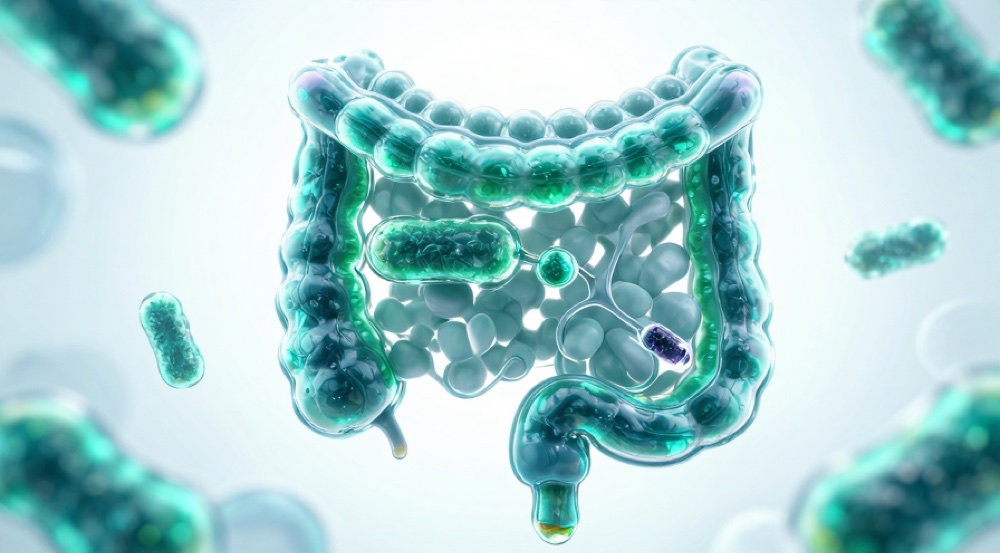
A fermented food is any food transformed by live microbes — bacteria, yeasts or both. Fermentation preserves the food, changes its flavour, and, crucially for the gut-brain axis, leaves behind live microbes and their metabolic by-products. "What is fermenting food?" simply means letting the right microbes pre-digest it under controlled conditions.
A practical list of fermented and probiotic foods
The most useful, widely available live-culture foods:
- Sauerkraut — fermented cabbage (raw, refrigerated). Full guide →
- Kimchi — spiced fermented vegetables. Full guide →
- Live-culture yogurt — look for "live and active cultures."
- Kefir — a fermented milk drink, usually richer in microbial variety than yogurt.
- Miso and tempeh — fermented soy (miso: add off the heat to keep cultures alive).
- Other fermented vegetables — fermented beets, carrots, pickles in brine (not vinegar).
- Kombucha — fermented tea (watch added sugar).
- Natto and traditional aged cheeses with live cultures.
One rule cuts through the confusion: alive means refrigerated and unpasteurised. Shelf-stable, canned or vinegar-pickled versions are tasty but usually contain no live microbes.
Fermented foods vs. probiotics — the difference
People use the terms interchangeably, but they are not the same. A probiotic is a specific, named strain given at a specific dose with a demonstrated benefit. A fermented food contains live microbes at variable, undefined amounts.[1] Both can be useful; fermented foods are the easy, everyday foundation, while probiotics are targeted tools. (See prebiotics vs probiotics for how the fibres that feed your microbes fit in.)
Why the brain cares
Fermented foods act on the whole microbiome, and the microbiome is an active participant in the gut-brain axis — producing short-chain fatty acids, influencing serotonin precursors and signalling via the vagus nerve.[2][3] In a controlled trial, a diet richer in fermented foods increased microbial diversity and lowered inflammatory markers.[4] The takeaway: fermented foods are a genuine, evidence-backed lever on the gut — and the gut is a genuine lever on how you feel.
To move from "eat more fermented foods" to "here is exactly which strains your gut is missing," a whole-genome (WGS) microbiome test reads your gut, and a personalized formula is built from your own data.