Mental health begins with gut health
The gut-brain axis, made clear: deep, honest, fully-cited translations of how your gut shapes your mood, stress and mind — every claim anchored to peer-reviewed research. Start anywhere.
Foundations
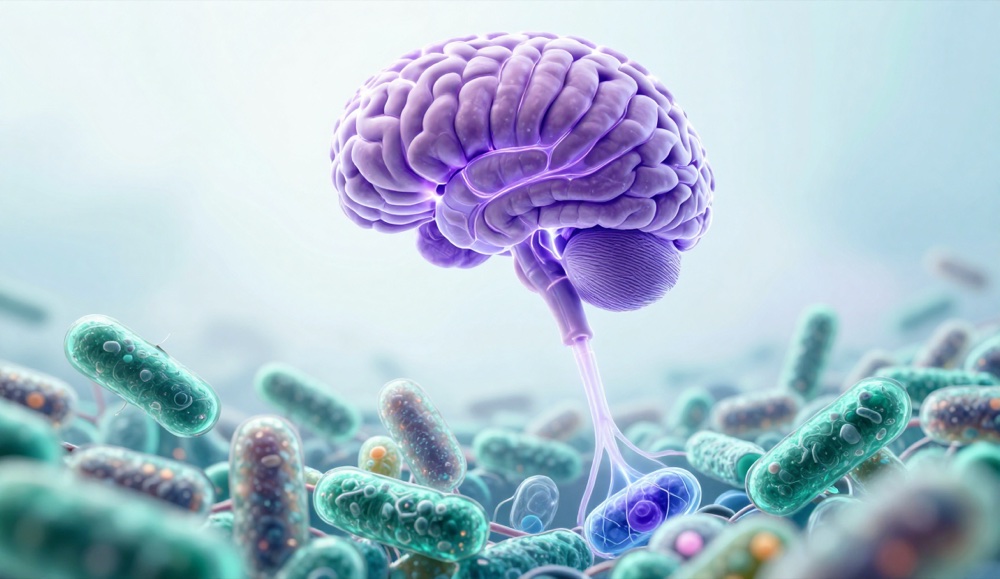
The Gut-Brain Axis: How Your Microbes and Your Mind Talk
The gut and brain are wired together through nerves, hormones and immune signals — and trillions of gut microbes have joined the conversation.
The Mind-Gut Connection: How Your Gut Shapes Mood, Stress and Thought
"Gut feeling" is no longer a metaphor. The gut and brain hold a constant two-way conversation — and the microbes in between can measurably shift how you feel.
Nervous Stomach: Why Stress Goes Straight to Your Gut
Butterflies before a test, nausea before bad news, cramps under pressure — a "nervous stomach" isn't in your head. It's the gut-brain axis working exactly as designed.
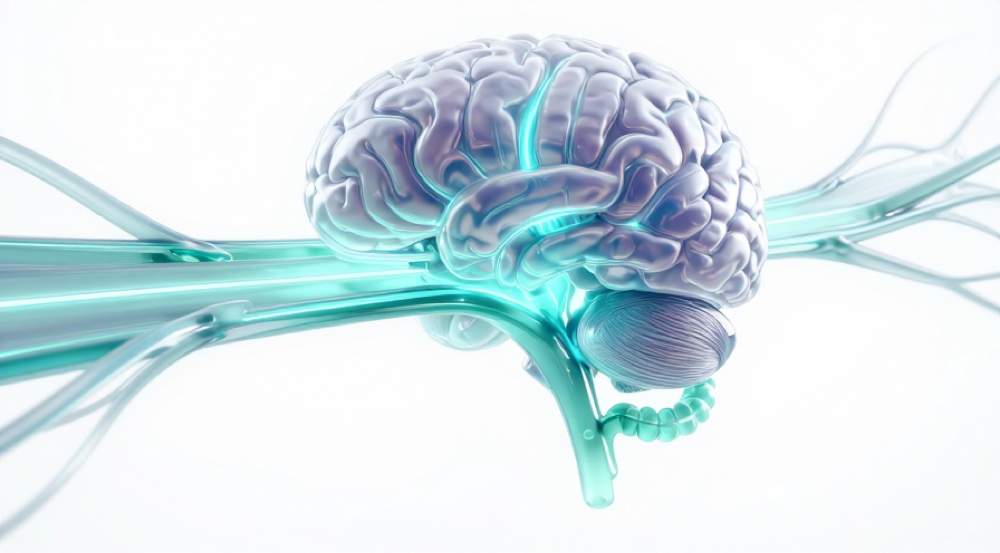
Is the Gut Really a "Second Brain"?
The gut runs its own nervous system, makes most of the body's serotonin, and hosts bacteria that produce neurotransmitters. "Second brain" is a metaphor — but a surprisingly literal one.
The Vagus Nerve: The Body's Superhighway Between Gut and Brain
The longest cranial nerve is mostly a listening device — carrying far more signals up from the gut than it sends down.
Wired for Stress: How Early Microbes Calibrate the Stress Response
A landmark study in germ-free mice showed that without gut bacteria, the body's stress-hormone system overreacts — and there's a developmental window to set it right.
Can Coffee Cause Anxiety? The Gut-Brain Angle
Why coffee can spike anxiety and unsettle your stomach — the caffeine, cortisol and gut-motility mechanisms, and how to tell if coffee is your trigger.
Can an Upset Stomach Cause Anxiety? Gut-to-Brain Signaling
Nausea, cramps and gut discomfort can feed anxiety, not just follow it. How bottom-up gut-to-brain signals work — and what that means for you.
Prebiotics vs Probiotics: What's the Difference?
Probiotics are the microbes; prebiotics are what feed them. Here's the clear difference, how they work together, and why both matter for the gut-brain axis.
The Brain-Gut Reading List: Books on the Gut-Brain Connection
The best books on the brain-gut connection, from clinicians and scientists — plus where to go once you want the primary research, not just the popular account.
Dysbiosis: What the Word Actually Means (And Why Scientists Argue About It)
"Dysbiosis" is the most-searched word in gut health and the least agreed-upon. Here is what the research really supports, what it does not, and what to do with the term when you meet it on a supplement label.
Akkermansia muciniphila: Benefits, Evidence, and What the Human Trials Actually Showed
Akkermansia eats the mucus lining of your gut — and that turns out to be a good thing. Here is what the research supports, and where the supplement-aisle version runs ahead of it.
Leaky Gut: What Is Real, What Is Marketing, and What the Diet Evidence Says
Intestinal permeability is real, measurable, and studied in serious journals. "Leaky gut syndrome" as a diagnosis is not. Here is the line between them — and what actually strengthens the gut lining.
Gut Flora: An Outdated Word for Something Worth Understanding
"Flora" means plants — and your gut has none. The word is a 19th-century fossil, and the ideas that travel with it (balance, good vs bad, restoring) are fossils too. Here is the current picture.
Gut Reset: Why You Cannot Reboot a Microbiome (And What Recovery Actually Looks Like)
"Reset" borrows a metaphor from computers. The best data we have on wiping and regrowing a human microbiome comes from antibiotics — and it took about six months, with some species never coming back.
Gut Health for Kids: What the Development Data Actually Shows
A child's microbiome is not a small adult's. It assembles on a schedule, and the largest cohort study we have shows what that schedule looks like — and how little of it a supplement changes.
The Gut-Sleep Connection: How Your Microbiome and Your Sleep Shape Each Other
Poor sleep changes your gut bacteria, and your gut bacteria help set the chemistry of sleep. It's a loop — and knowing how it works tells you where a probiotic actually fits.
Brain Fog and the Gut: What the Science Actually Connects
"Brain fog" isn't a diagnosis, but the fuzzy-headed, can't-focus feeling has real ties to the gut — through inflammation, bacterial metabolites, and the gut-brain axis.
How to Support Your Gut-Brain Axis: What's Evidence-Based (and What Isn't)
You can't "reset" the gut-brain axis in a weekend. But several levers have real human evidence behind them — and a few popular ones don't. Here's the honest map.
Psychobiotics & NDIs
What Are Psychobiotics? Bacteria That Act on the Mind
A single 2013 paper named the idea that certain gut bacteria, taken in the right dose, can measurably benefit mental health.
Neurobiome-Directed Interventions (NDIs): The Precision Evolution of Psychobiotics
Psychobiotics proved specific strains can move mood. Neurobiome-directed interventions (NDIs) are the next step — matching the exact strains a person lacks to their own measured microbiome. This is the emerging precision approach.
Probiotics for Anxiety: What the Evidence Actually Says
Certain probiotic strains have measurably lowered anxiety and stress in human studies — but the effect is strain-specific, the trials are small, and it's a lever, not a cure. Here's the honest picture.
What Human Trials Actually Show About Probiotics and Mood
The best evidence on probiotics for mood: the controlled human trials that moved mood probiotics from animal theory to measurable effects on stress, anxiety and brain activity.
Psychobiotics, Psychobiome, NDIs: A Plain-Language Glossary
Three related terms — with sharply different levels of scientific standing. Use them precisely.
Lactobacillus: Benefits, Supplements, and the 2020 Split Most Labels Ignore
In 2020 the genus Lactobacillus was divided into 25 genera. Most organisms still sold as "Lactobacillus" are formally something else now — and the renaming tells you why strain, not genus, is the thing that matters.
Bifidobacterium Foods: Why You Mostly Cannot Eat It (And What to Do Instead)
Searches for "bifidobacterium foods" run into an awkward fact: almost no food contains meaningful Bifidobacterium. It is a resident, not a visitor — so you feed it rather than eat it.
Mechanisms
Gut Bacteria That Make Serotonin and GABA
Gut microbes influence the body's serotonin supply and can produce GABA outright — a direct biochemical route to mood-linked signalling molecules.
Fiber, Fatty Acids, and the Brain's Gatekeepers
When gut bacteria ferment fiber, the byproducts help build the brain's protective barrier and keep its immune cells working.
The Serotonin Connection: How Microbes Shape a Key Neurotransmitter's Raw Materials
Most of the body's serotonin is made in the gut, and bacteria help decide how its dietary building block gets used.
Fiber, Your Gut, and Your Brain
Fiber is the single most important food for your gut microbes — and the short-chain fatty acids they make from it are a direct line to the brain. Here is the mechanism, made clear.
Butyrate: The Postbiotic Your Own Gut Makes From Fiber
Butyrate is the short-chain fatty acid your gut bacteria produce when they ferment fiber. Here is what it does — for the gut lining and the gut-brain axis — and how growing your own producers differs from a butyrate, sodium butyrate or tributyrin supplement.
Evidence
What Links the Gut Microbiome to Depression
Transplant experiments and large human cohorts have built a case that the gut microbiome is tied to depression — though human causation remains unproven.
Probiotics, Mood and Anxiety: What the Evidence Actually Shows
People search for the 'best probiotics for depression and anxiety.' Here is an honest look at what human trials show, which strains have signal, and why 'best' is the wrong question.
Rebuilding Your Microbiome After Antibiotics
Antibiotics disrupt the gut microbiome. Here is what the research shows about recovery, whether probiotics help, and how it connects to mood and the gut-brain axis.
What Do Probiotics Actually Do?
A clear, honest explainer on what probiotics are, what the evidence supports them for, what they don't do, and how strain and dose change everything.
IBS and the Gut-Brain Axis: Living With a Disorder of Gut-Brain Interaction
IBS is now understood as a disorder of gut-brain interaction. An educational look at the gut-brain connection in IBS, the low-FODMAP approach, and where the microbiome fits — not medical advice.
Inflammatory Bowel Disease and the Gut-Brain Axis
An educational explainer on the gut-brain dimension of inflammatory bowel disease — the stress-symptom link and the microbiome — with clear limits. Not medical advice or treatment guidance.
Probiotic Supplements: What They Are, Why "Best" Is the Wrong Question, and Why They Sometimes Bloat You
There is no best probiotic supplement — not because the research is missing, but because of what the research found. Effects are strain-specific and colonization is personal.
Microbiome Testing: What a Gut Test Can and Cannot Tell You
Sequencing your gut is real science. Reading the result as a diagnosis is not. Here is what varies between labs, what the method changes, and how to read a report honestly.
Food & Mood
Fermented Foods and the Gut-Brain Axis
Sauerkraut, kimchi, kefir, yogurt, miso — why fermented foods are one of the few diet levers with real human evidence for the gut, and what that means for mood and stress.
Is Sauerkraut Healthy? Sauerkraut, Your Gut, and Your Brain
Is sauerkraut good for you, is it a probiotic, how much should you eat, and does it really reach your brain? An honest, gut-brain-first guide.
Kimchi and the Gut-Brain Axis: Is It a Probiotic and Good for Digestion?
Is kimchi a probiotic, is it good for gut health and digestion, and how does a fermented cabbage dish connect to mood? A clear, evidence-first take.
A Guide to Fermented and Probiotic Foods (and Why Your Brain Cares)
What fermented foods are, a practical list of the best ones, the difference between fermented foods and probiotics, and how the whole category ties to the gut-brain axis.
Fermented Foods and Digestion: What Helps, What to Watch
How fermented foods affect digestion, bloating and regularity — what the evidence supports, who should go slow, and how gut comfort ties back to mood.
Foods That Support a Steadier Mood (Through Your Gut)
Which foods are linked to better mood, why diet quality matters through the gut-brain axis, and what randomized trials of dietary change actually found.
Foods for Gut Health (and Your Brain)
The foods most linked to a healthy gut — fibre, plants, fermented foods and polyphenols — and why a healthy gut is also a lever on mood, stress and clarity.
By condition
Mood & Depression
The gut-brain angle on low mood — mechanisms, honest evidence, and the microbial 'signatures' researchers have found.
Anxiety & Stress
GABA, the vagus nerve and the HPA stress axis — where the gut meets the anxious mind.
ADHD & Attention
Emerging, exploratory links between the microbiome, dopamine pathways and attention.
Autism & the Gut
Why GI symptoms and the microbiome are a serious, actively-studied — and easily overclaimed — part of the picture.
Gut Comfort & IBS
Where digestive symptoms and the brain feed back on each other — the best-established gut-brain territory.
Take the 60-second gut-brain quiz
Answer six questions, get your gut-brain profile and a personalized set of starter moves.