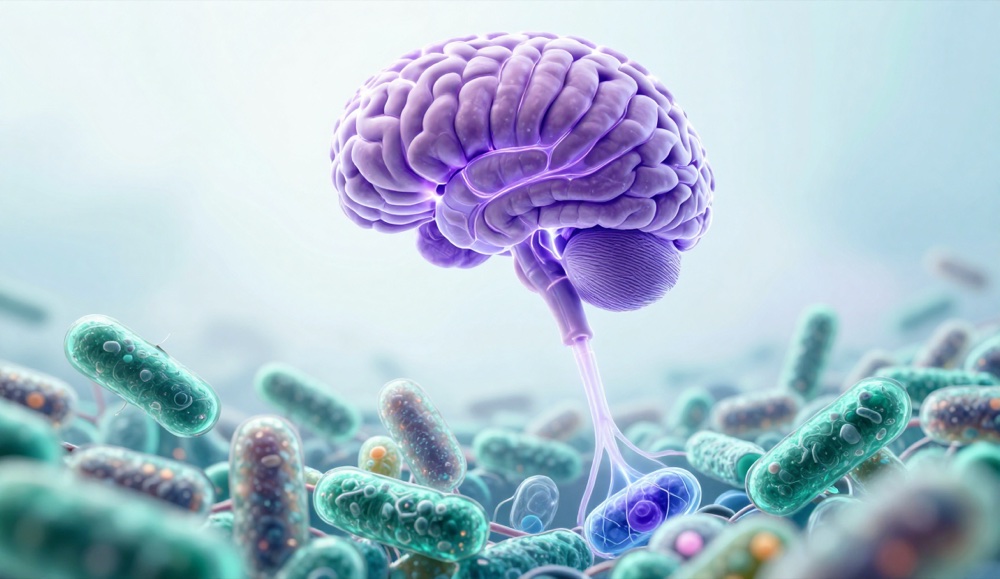
The mind-gut connection is the two-way communication between your digestive tract and your brain — a constant biological conversation carried by nerves, hormones, immune signals, and the trillions of microbes living in your gut. What happens in the gut can measurably shift mood, stress and clarity of thought; what happens in the mind reshapes digestion in return.
For most of the last century, "gut feeling" was treated as metaphor. It is now understood as physiology. The gut and brain are linked through a dedicated network — the gut-brain axis — and the microbes that live there are active participants in it, not passive passengers. In their landmark 2012 review, Cryan and Dinan described these organisms as "mind-altering microorganisms," synthesising evidence that the gut microbiota helps regulate anxiety, mood and cognition.[1]
How does the gut talk to the brain?
There is no single wire. The 2019 Physiological Reviews monograph mapped several parallel channels operating at once: the vagus nerve, the immune system, gut hormones, microbial metabolites such as short-chain fatty acids, and the tryptophan-serotonin pathway.[2] These routes overlap and cross-talk, which is why the connection is robust — disrupt one channel and others still carry signal.
Can gut bacteria really change stress and mood?
In animals, the evidence is direct. Germ-free mice — raised with no gut bacteria at all — mount an exaggerated hormonal stress response, and colonising them with normal bacteria within a developmental window normalises it.[3] Feeding healthy mice a single Lactobacillus strain reduced anxiety-like behaviour and altered GABA receptors in the brain — an effect that vanished when the vagus nerve was cut, pinning the signal to a specific route.[4]
In humans the effects are subtler but real: a controlled trial found that women consuming a fermented product with probiotics showed measurably altered brain activity in regions that process emotion and sensation.[5] The through-line across the field is that the microbiome influences anxiety and depression pathways — strongly in animals, and increasingly in people.[6]
What does the mind-gut connection mean for you?
The takeaway is not that a yogurt cures anxiety. It is that the gut is a legitimate lever on how you feel — one that diet, specific probiotic strains (see psychobiotics), and the overall state of your microbiome all pull on. Which strains matter is strain-specific, and the human evidence is still maturing (what the trials actually show). For a clinical picture of your own gut, microbiome testing and analysis maps the species and metabolic pathways this article describes.
Which foods are linked to better mood?
No single food lifts mood on its own, but dietary patterns matter. The foods most consistently associated with steadier mood in research are the ones that feed a healthy microbiome: fibre-rich plants, fermented foods, and an overall Mediterranean-style pattern — the diet used in the SMILES randomized trial, where dietary improvement was linked to better depression scores (Jacka et al., 2017, PMID 28137247). For the specifics, see foods for mood. This is nutritional wellness, not a treatment for depression or anxiety.