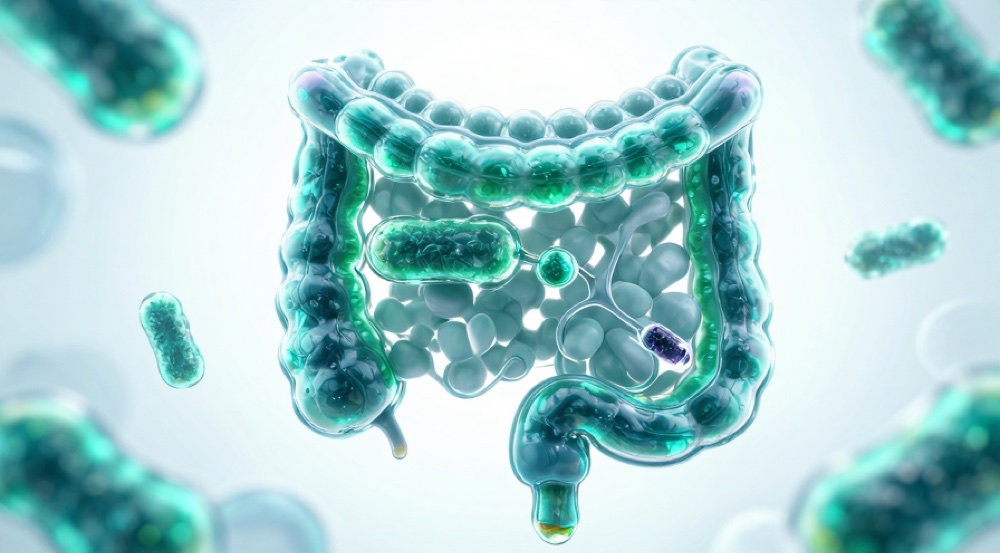
Irritable bowel syndrome is where the gut-brain axis is most firmly established as clinically relevant — IBS is often described as a disorder of gut-brain interaction. A systematic review found people with IBS frequently show differences in microbial composition, though it remains unclear whether these are a cause or a consequence.[1]
The brain-gut link in IBS is bidirectional and well-recognised: stress worsens gut symptoms, and gut symptoms worsen mood. A pilot RCT found a specific probiotic (Bifidobacterium longum NCC3001) reduced depression scores and altered brain activity in IBS patients[2] — illustrating the two-way relationship, though as a small pilot it needs confirmation. Responses to any diet or probiotic are highly individual.
Education only. Persistent GI symptoms warrant medical evaluation.