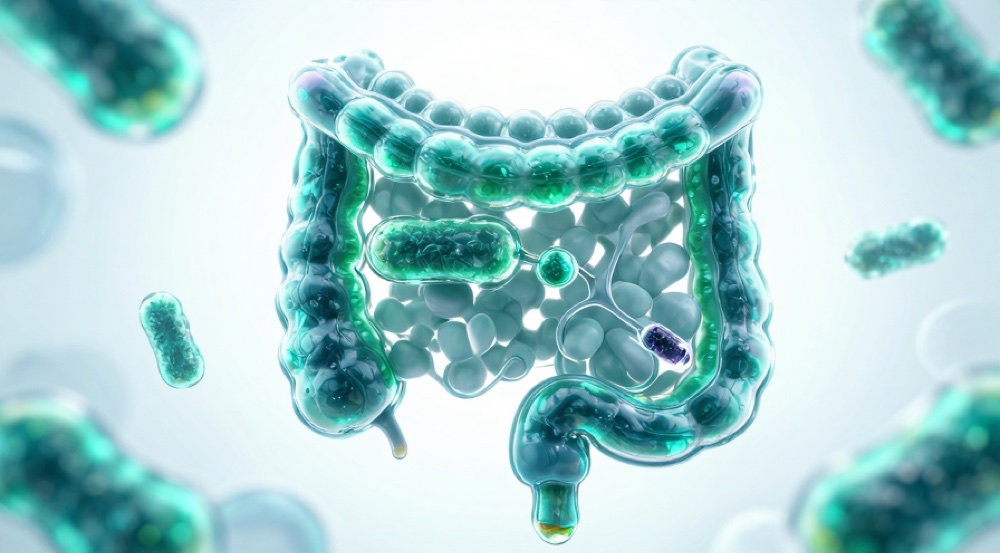
People reach for fermented foods and digestion in the same breath for good reason: adding live microbes and fermentation by-products to your plate is one of the most direct dietary ways to interact with the gut. And because digestion and mood run on the same wiring — the gut-brain axis — how your gut feels rarely stays purely physical.
How fermented foods affect digestion
Fermentation partly pre-digests food, can increase the bioavailability of some nutrients, and delivers live microbes plus organic acids to the gut.[1][2] Across the human evidence, fermented foods are linked to greater microbial diversity, and a diverse, well-fed microbiome tends to support more comfortable, regular digestion.[3] Many people find that a small daily serving of yogurt, kefir or sauerkraut helps things feel more settled — though responses are highly individual and no fermented food is a treatment for a digestive disorder.
Who should go slow
Fermented foods can cause temporary gas or bloating when you first add them, especially in larger amounts — that is the microbiome adjusting. Start small and build up. Some people with histamine intolerance or SIBO find aged or fermented foods aggravating, and kimchi's chilli and garlic can bother reflux-prone guts. If you have a diagnosed condition such as IBS or IBD, introduce ferments cautiously and with your clinician's guidance (see IBS and the gut-brain axis).
The mood connection
Comfortable digestion is not only about the gut. Signals from the gut travel to brain regions involved in mood and stress, and gut discomfort can pull mood down just as stress can upset the gut.[4] Supporting steady digestion is, in that sense, also supporting a steadier baseline.
If digestion has been an ongoing struggle, a broad-spectrum daily probiotic can be a simple first step — GoodOnes offers a simple daily option. For a formula matched to your own gut, Flore tests your microbiome first.