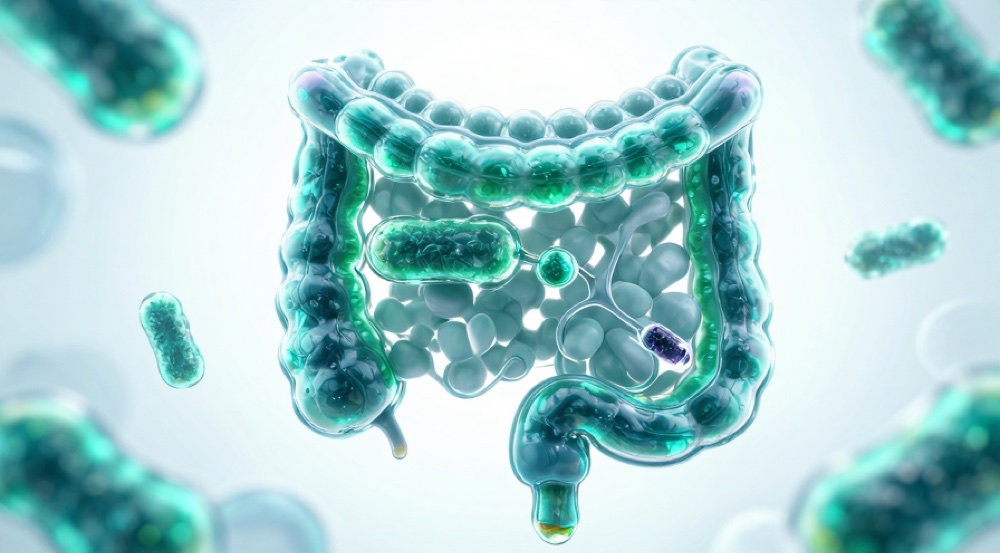
Inflammatory bowel disease (IBD) — Crohn's disease and ulcerative colitis — is a serious, chronic condition involving inflammation of the digestive tract. It is medically distinct from IBS and requires diagnosis and ongoing treatment by a gastroenterologist. This page does one narrow, educational thing: it explains the gut-brain dimension of IBD. It is not treatment advice, and nothing here is a recommendation to start, stop or change any therapy.
The gut-brain dimension of IBD
IBD is driven by inflammation and the immune system, not by stress. But research increasingly recognises a genuine bidirectional gut-brain relationship layered on top: psychological stress is associated with symptom flares in some people, and living with active disease takes a real toll on mood.[1] Reviews describe this brain-gut interaction as a meaningful part of the overall experience of IBD, alongside — never instead of — medical management of the underlying inflammation.
Where the microbiome fits
People with IBD typically show reduced gut-microbial diversity and lower levels of beneficial, butyrate-producing bacteria. Butyrate — a short-chain fatty acid made when microbes ferment fibre — is an important fuel for the gut lining and a regulator of immune signalling.[1] Whether these microbial differences are a cause or a consequence of the inflammation is still being worked out, and the microbiome is an area of active research, not an established treatment target for IBD.
The gut-brain angle is about understanding and coping — supporting mood and managing stress alongside proper medical care. It is not an alternative to it.
What this does and does not mean
Recognising the gut-brain dimension of IBD does not mean IBD is psychological, that stress causes it, or that diet, probiotics or lifestyle can treat it. It means that mood and stress are part of the lived experience and can interact with symptoms, so caring for mental wellbeing is a legitimate complement to gastroenterology care. Any dietary or supplement change in IBD should be discussed with your care team, because needs during and between flares differ greatly.
Education only, written with respect for people living with IBD. This is not medical advice. Diagnosis and treatment of IBD must be led by a qualified clinician.
What is inflammatory bowel disease (IBD)?
Inflammatory bowel disease (IBD) is an umbrella term for chronic conditions involving inflammation of the digestive tract — principally Crohn’s disease and ulcerative colitis. It is a diagnosed medical condition, distinct from IBS (irritable bowel syndrome), and is managed by gastroenterologists. The gut-brain axis is relevant to IBD because stress and mood interact with the disease course, and the brain-gut axis has been discussed as a factor in how people experience symptoms (Gracie et al., 2018, PMID 30507470). This page is an educational explainer, not medical advice; IBD requires diagnosis and treatment by a clinician.